
From Twigs to Trees: Baby Plants Grow into Forests
Updated: Sep 13

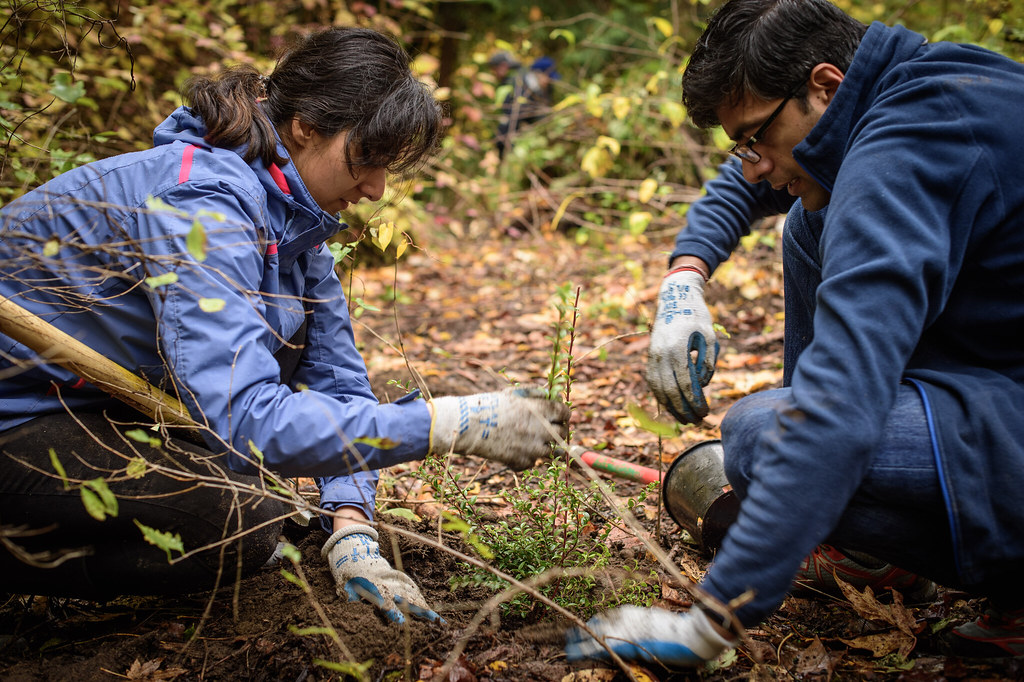
On the Green Seattle Day poster it says “Plant a Tree.” That is a bit of an over simplification of what will be going down on Green Seattle Day. The Green Seattle Partnership plants native trees, like Douglas-fir and western redcedar, but the majority of the plants that go in the ground are what build out the forest like shrubs, groundcovers, and native vines. Forest structure is the horizontal and vertical layers of vegetation as well as down and dead wood. When you come out to volunteer on Green Seattle Day, you’ll be planting a small potted plant that is going to grow to fill an important niche of our future forest structure. Some of the plants will grow to be hundreds of feet tall and some may never grow over 8 inches, but they are all still very important.
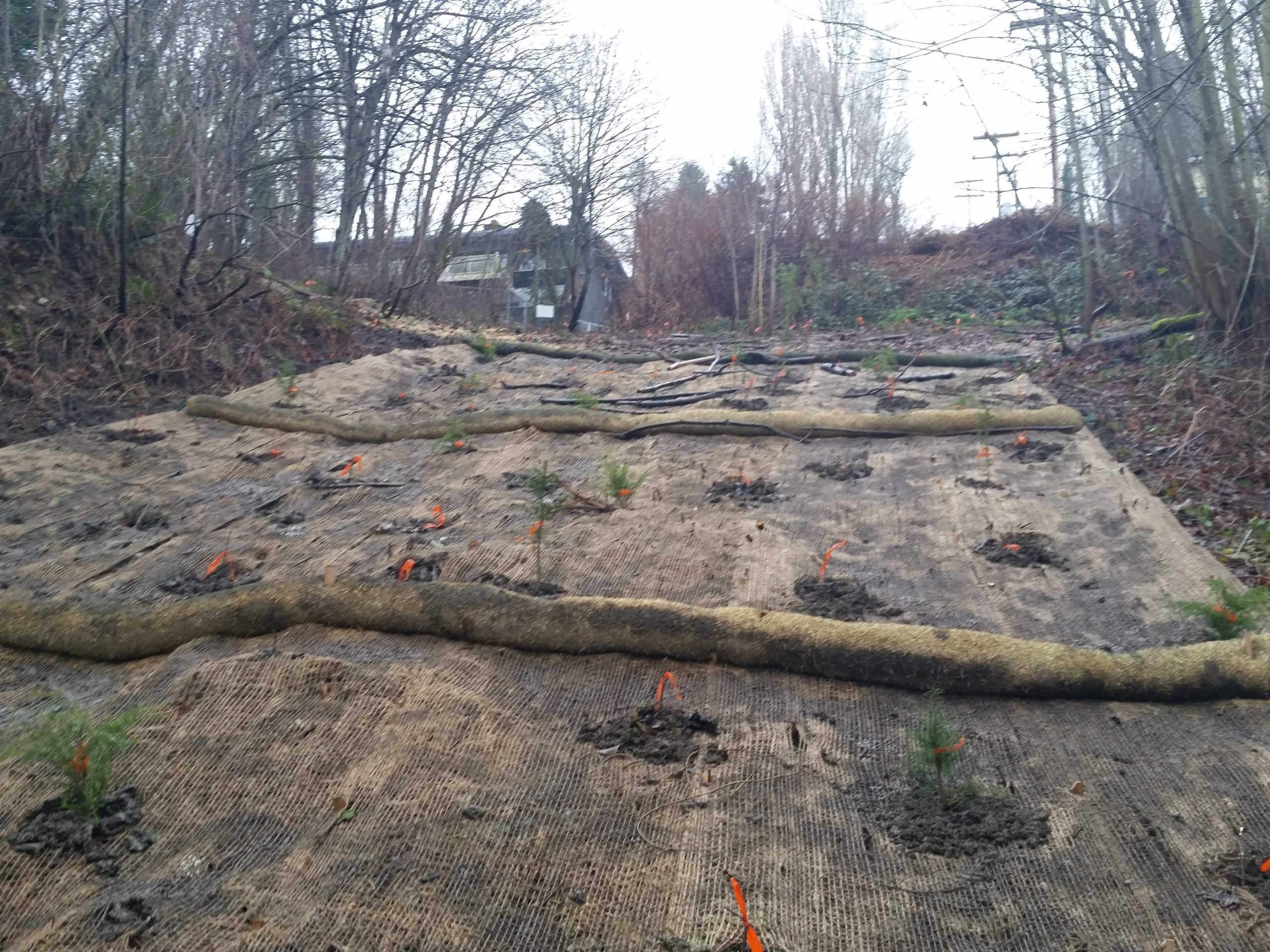
Forest Stewards and event leads will teach all Green Seattle Day volunteers how to properly plant trees and set them up for success with the gift of mulch. Fall is the best time of year to plant native trees and shrubs, but it isn’t typically when the plants are looking their best. Some of the baby plants will look like their mature form, but others will look like pots of dirt or a stick in a pot. We want to inspire you with the potential that lives in these pots but highlighting a tree, shrub and groundcover species that you will likely plant with us on Green Seattle Day to better understand how these will all transform into a healthy forest!
The Trees
Example: Douglas-fir (Pseudotsuga menziesii)
Growth
Can grow up to 300 feet
Can live over 1000 years
Why we love Douglas-fir
Eaten by animals from songbirds and squirrels, to mountain goats and elk
Provides habitat for wildlife
Filters air and water year-round
Fun Facts
Although named ‘fir’ they are not really a fir tree
Deep furrows and tough bark allow them to persist through fires
Legend says that mice took cover in the cones of doug-firs during a forest fire and remain there to this day with their hindquarters poking out
The name Douglas comes from the famous botanist, David Douglas, who described the species
The Shrubs
Example: Goat’s Beard (Aruncus dioicus)
Growth
Reaches 3-6 feet tall
Grows 6 feet wide
Takes about 5 years to mature
Spreads quickly to fill in space
Why we love Goat’s Beard
Flowers in late spring provide nectar for pollinators
Fun Facts
Also called spaghetti flower
The Lummi used the leaves to help cure smallpox
The Skagit used the roots to ameliorate colds and sore throats
Squamish women used a root infusion to help with post-natal bleeding
The Groundcovers
Example: Pacific Bleeding Heart (
Dicentra formosa)

Why we love Bleeding Heart
Provide great early spring nectar for pollinators, such as bumblebees and butterflies
Growth
Reaches 10-20 inches tall
Grows to 1.5 – 2.5 feet wide
Takes 2-5 years to mature
Combines with surrounding plants to blanket forest floor
Fun Facts
Produces heart shaped flowers in clusters of 5-15
Seeds have fatty deposit called an elaiosome which provides a tasty treat for their ant pollinators
In the poppy family, and like many poppies they produce poisonous compounds making them inedible to most animals
Do you want to have a hand in creating the future healthy forest of Seattle? We still have a handful of parks that are in need of volunteers for November 3 as part of the 2018 Green Seattle Day. Head over the Green Seattle Day web page to register today!
Comments